Watch the film 2:10

IMTI Rehab · San Diego

Stop managing pain.Start fixing it.

Most rehab treats the symptom and sends you home. We start with a full assessment, find the actual cause, and correct it, so you get back to the activities you love and stay there.

The end goal

Rehab with the end goal in mind.

Feeling better on the treatment table is just the starting line. Our focus is getting you back to the life and activities that matter to you.

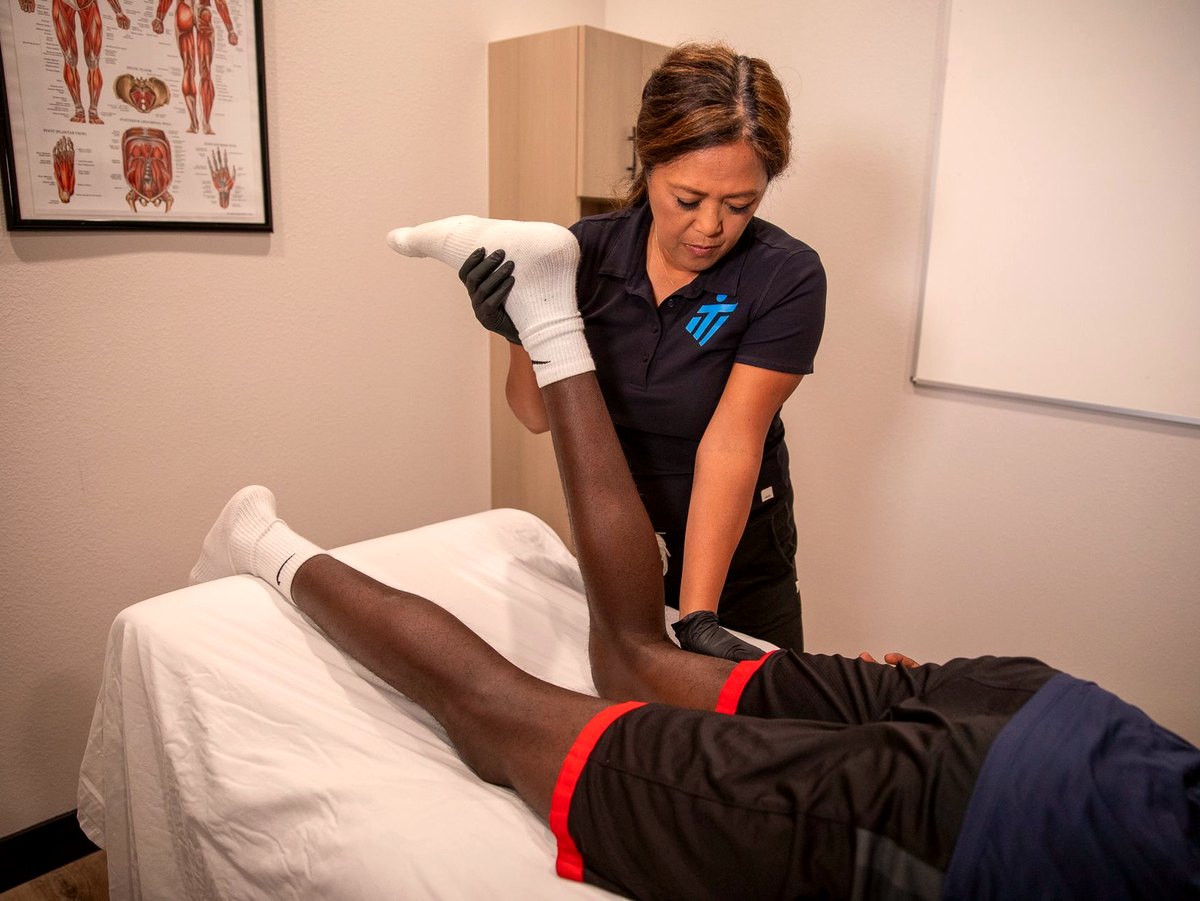
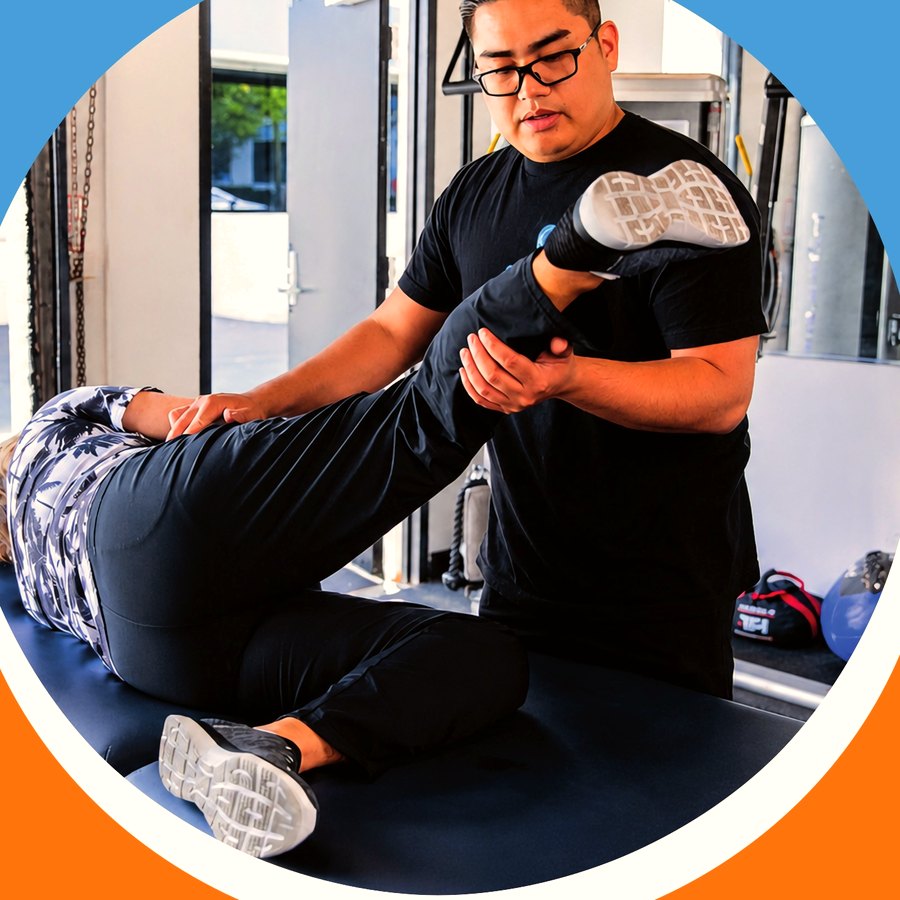
An IMTI practitioner guiding a client through a straight-leg raise on the treatment table, anatomy charts on the wall behind

Your plan may combine any of these, based on your needs.

  • Movement assessment
  • Corrective exercise
  • Strength and return-to-activity training
  • Mobility and recovery work
  • Soft tissue therapy
  • Rehab-to-training coordination

Our rehab process

From pain to performance.

Pain relief is where we start, not where we stop. After assessing the root cause, we guide you through our four-step Pain to Performance process: restoring strength, building endurance, and getting you back to moving with confidence.

  1. A practitioner's hands working along a client's thigh on the treatment table

    Reduce the pain

    Soft Tissue Therapy

    Weeks 1–5+

    Find the source. Treat the cause.

    Skip this step and pain keeps coming back.

  2. An IMTI coach guiding a client through a side-lying hip movement on the mat

    Correct dysfunction

    Corrective Exercise

    Weeks 6–10

    Fix what's driving the problem.

    Skip this step and stay stuck in the same pain cycle.

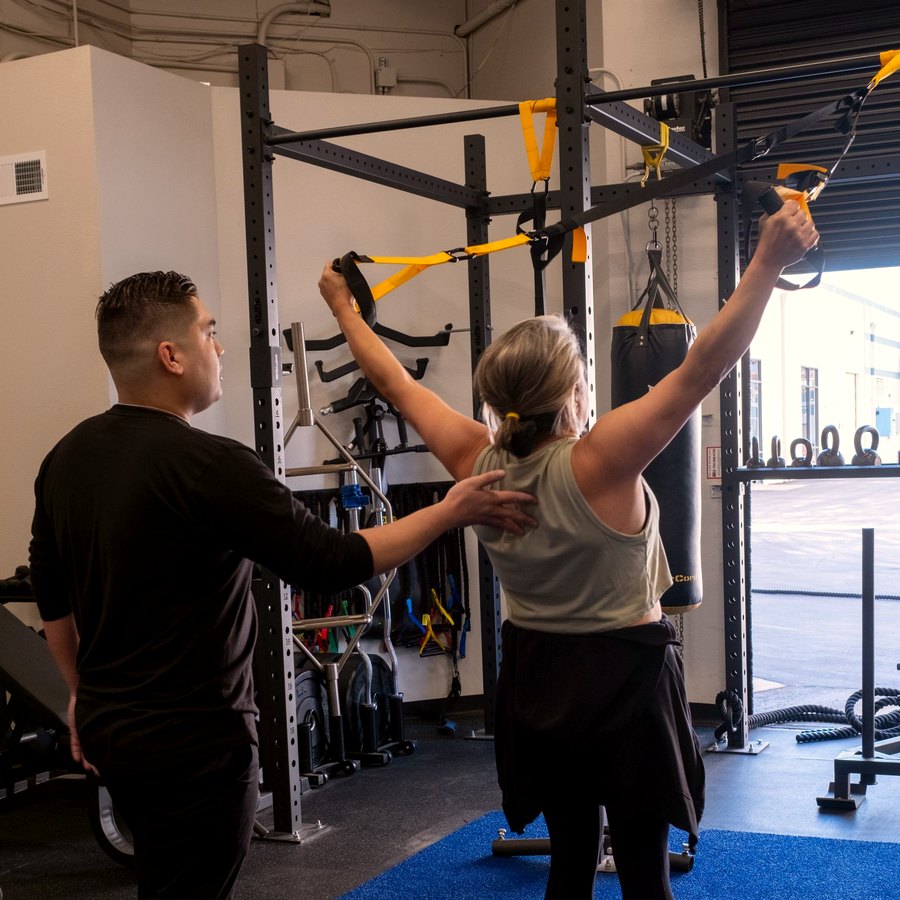
  3. A coach cueing a client through an overhead press on the suspension trainer, a hand at her back

    Strengthen the correction

    Functional Training

    Weeks 11–16

    Build strength where your body needs it.

    Skip this step and improvements won't last.

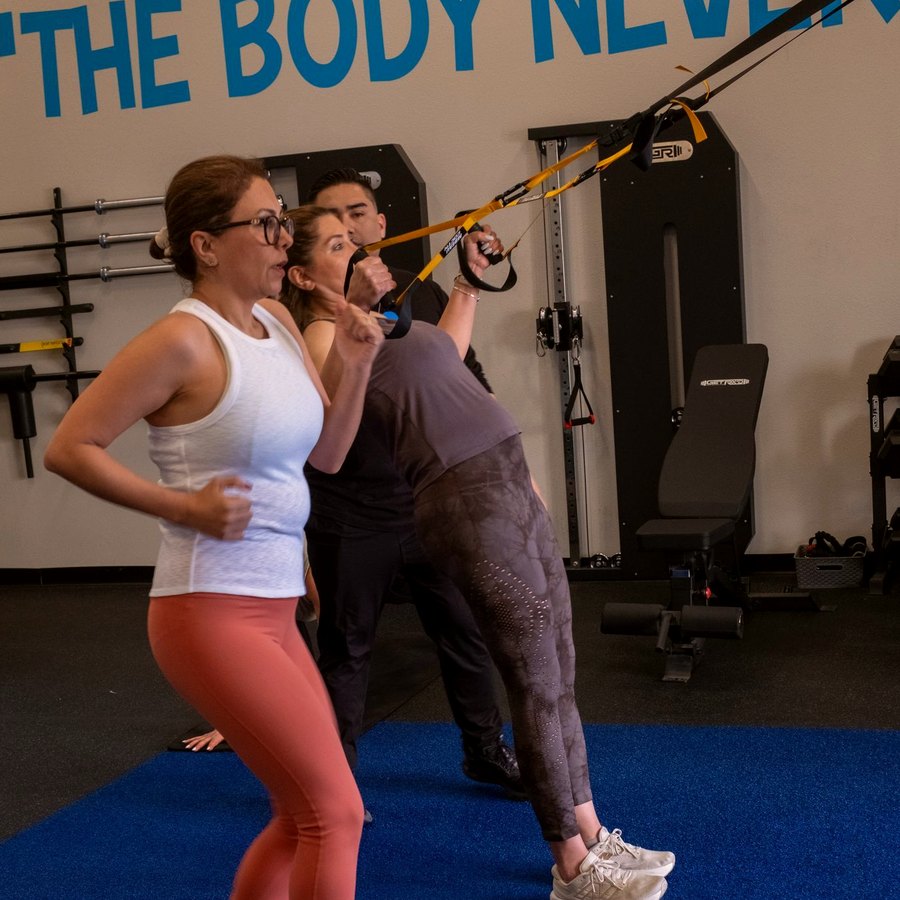
  4. A client mid-stride at the step in the gym, a second client working the suspension trainer with a coach behind her

    Path to performance

    Performance Training

    Ongoing

    Move better. Perform at your best.

    This is where gains turn into lasting results.

The process

Four phases.

From hands-on soft tissue work to athletes back on the field. Tap a phase to jump to it.

Get StartedRequest more information

Case studies

Pain to Performance

IMTI produces real results whether you are an athlete looking to stay in the game or you have unresolved pain.

  • Real Answers.
  • Real Results.
  • Real Partnerships.
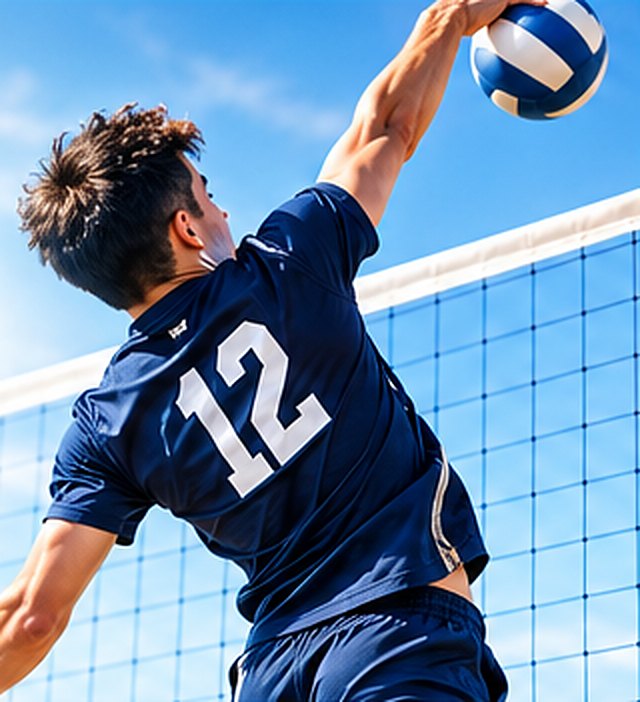
A volleyball player in a navy number 12 jersey rising to spike the ball at the net

Case study

Volleyball

From limited ROM to full overhead function

High School Volleyball Player

“Now able to get up to 100% with very limited discomfort.”
IMTI therapist, final session note
  • 30%to100%

    Shoulder elevation

    Session 1 to Discharge

  • 54

    Movement health score

    (Kinotek) at intake

  • 3

    Sessions

    From limited ROM to full overhead function

The result

Full overhead function. No surgery. Back in the game.

Read the full case
A pitcher in a navy cap and jersey mid-delivery, throwing arm drawn back

Case study

Baseball

From restricted to ready

Pitcher · High School Athlete

“Arm is feeling great. He is ready to pitch today.”
IMTI therapist, CIF championship day
  • 5to0

    Pain score

    Intake to game day

  • CIF

    San Diego Div. 3

    Championship save

  • Palomar

    Committed to pitch at

    Palomar College

The result

Pain-free. Game-ready. Future secured.

Read the full case
  • Recover
  • Restore movement
  • Protect performance
  • Extend careers

Stay in the Game

Traditional PT vs. IMTI MRT

What’s different about IMTI?

IMTI muscle rehab therapy (MRT) vs. traditional physical therapy, on the six things people ask before they start.

  • Recovery3x faster

    Traditional PT24 – 36+ weeksTo full recovery
    IMTI MRT11 – 16 weeksTo full recovery
  • First treatment4–7 weeks sooner

    Traditional PTWeek 5–8: after a referral, imaging and authorization
    IMTI MRTWeek 1: assessment to treatment, the same week
  • Time with therapist3–4x more hands-on time

    Traditional PTOnly 15–20 minutes per session
    IMTI MRTA full 50–80 minutes hands-on, every session
  • Root causeFound, not guessed

    Traditional PTSymptom relief only. No correction.
    IMTI MRTCorrected through the full four-phase protocol
  • Staying healthierBuilt to prevent injury

    Traditional PT40–60% reinjured within 12 months
    IMTI MRTBuilt to address why it happened, not just that it happened.
  • CostSave ~$4,000

    Traditional PT$6,000 – 8,500+Average total cost
    IMTI MRT~$2,104Average total cost

The next step

After Rehab comes your strength training

At IMTI, moving from rehab to training doesn’t mean starting over. One connected team builds on your assessment and history to help you get stronger and keep doing what matters.

One team. One history. One continuous path forward.

Start semi-private training
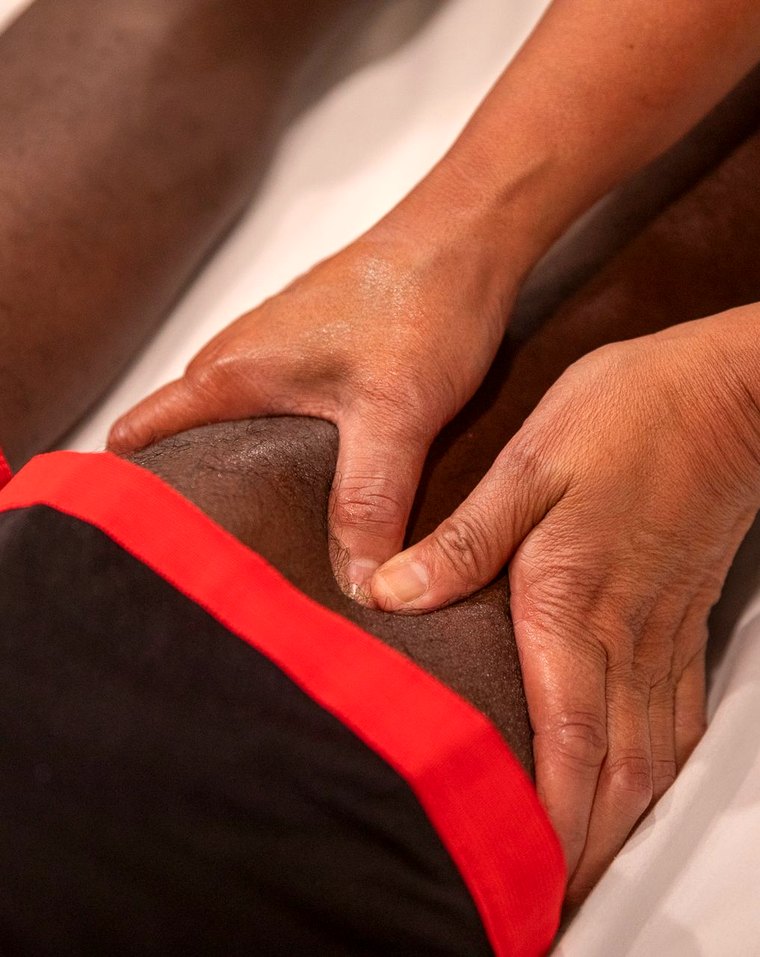
A practitioner's hands working either side of a client's knee on the treatment table
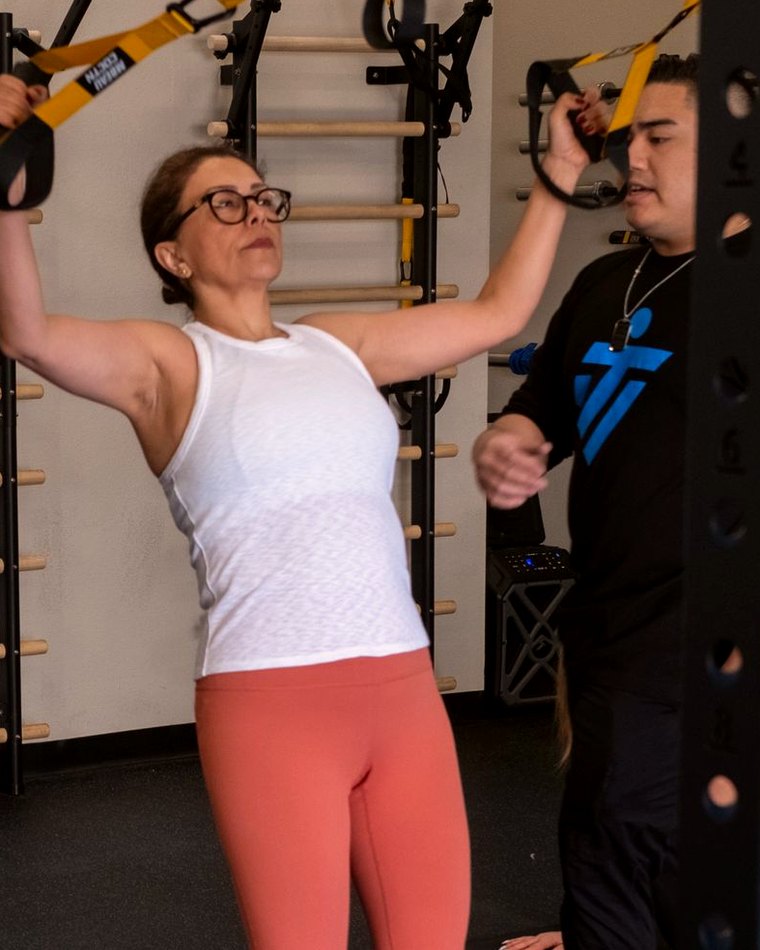
A client mid-set on the suspension straps with an IMTI coach beside her, watching how she moves
A couple walking together along a coastal path at sunset

A message from our founder

I built IMTI on a simple idea: that getting out of pain and getting fit aren’t two separate tracks, they build on each other.

One team, one plan.

Wherever you’re starting, we’ll meet you there.

Mario MabiniFounder, IMTI
Get Started