Healthy holiday habits matter for everyone but for IMTI athletes and clients, they’re a
performance advantage, not just a wellness bonus. With a few simple nutrition strategies and a consistent soft tissue and training routine, you can enjoy the season
and
show up in January feeling ready, not rusty.
Rethinking Holiday Nutrition
The holidays are not the time for extreme dieting, they’re the time for smart structure. Eating balanced meals instead of “saving up” calories helps prevent the binge–crash cycle and supports consistent energy, recovery, and training quality.
Start gatherings with protein and color: lean meats, eggs, beans, fruits, and vegetables help stabilize blood sugar, support immune health, and keep you full longer.
Hydration is another quiet performance driver, especially with travel, alcohol, and salty foods in the mix. Make water or sparkling water your default between meals and events. Aim to arrive at gatherings nourished, not starving, since under-fueling almost always leads to overeating and sluggish recovery.
Athlete-Friendly Holiday Food Swaps
For IMTI athletes and active clients, the goal is fueling, not restricting. Small adjustments keep meals satisfying while remaining recovery-friendly.
• Build your plate around protein first
(turkey, fish, lean beef, tofu, beans), then vegetables, then starch and dessert. Protein supports tissue repair and keeps you fuller longer.
• Use smaller plates
and fill at least half with fruits and vegetables to increase fiber, micronutrients, and volume without overload.
• Swap heavy creams and fried sides
for roasted vegetables, steamed dishes, or Greek-yogurt-based dips and sauces when possible.
• Bring a performance-friendly dish
a veggie tray with hummus, fruit platter, or protein-forward salad—so there’s always an option that aligns with your goals.
Why Soft Tissue Work Can’t Take a Holiday
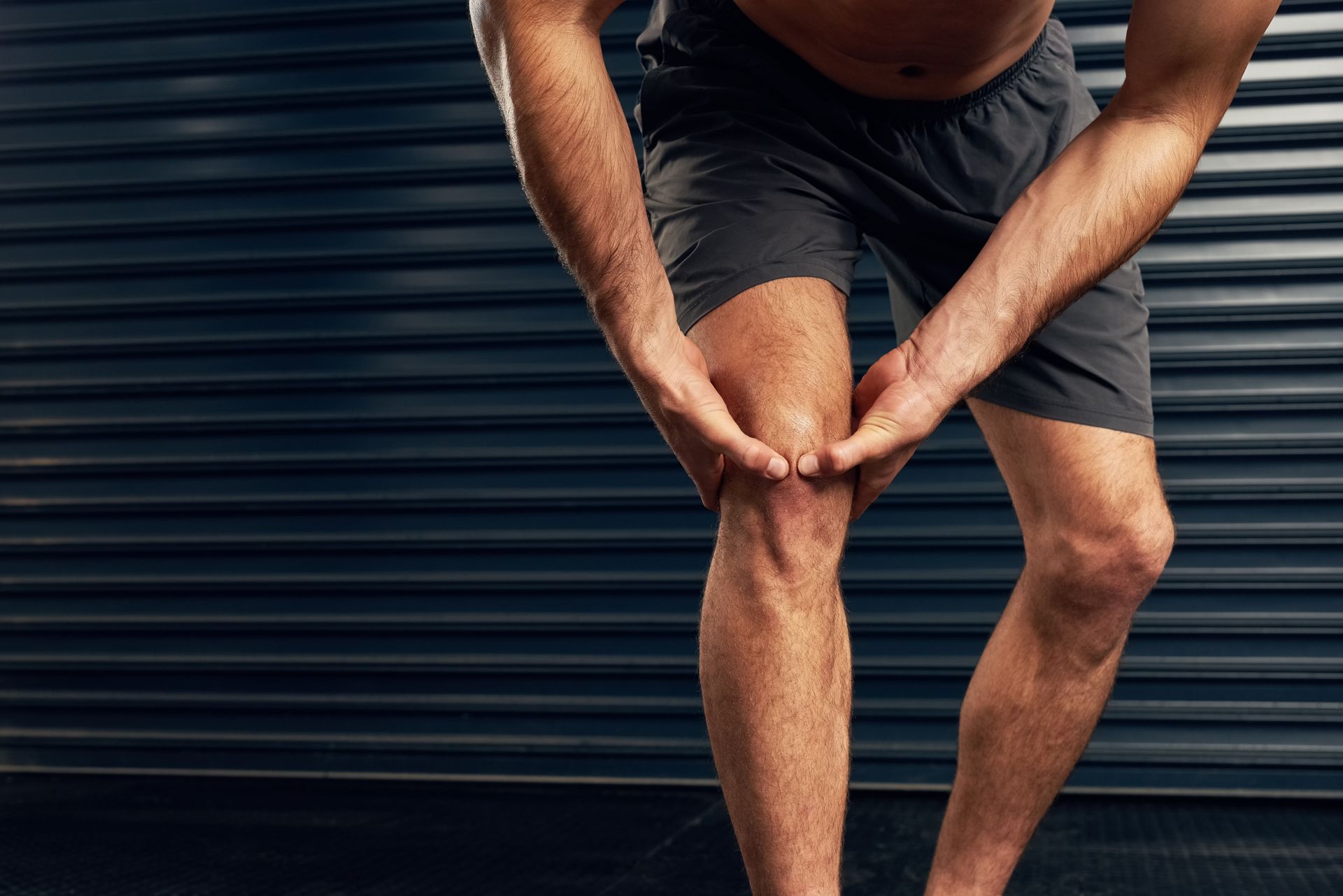
Training stress, travel, cold weather, and long periods of sitting load your soft tissues in very specific ways. Consistent soft tissue work: foam rolling, massage gun, lacrosse ball work, and targeted stretching, helps maintain tissue quality so movement stays efficient.
These methods increase blood flow, support range of motion, and help reduce the risk of flare-ups when training intensity ramps back up. Even 10–15 minutes per day can make a meaningful difference.
Focus on the areas that take the biggest hit during travel and sport:
calves, quads, hip flexors, glutes, and upper back.
Think of soft tissue work and mobility as holiday insurance—so January isn’t spent just trying to feel normal again.
Minimum-Effective Training Through the Holidays
You don’t need full training blocks to maintain progress, you need minimum effective dose (MED) done consistently. Research shows strength, muscle, and work capacity can be maintained with as little as 1–3 focused sessions per week.
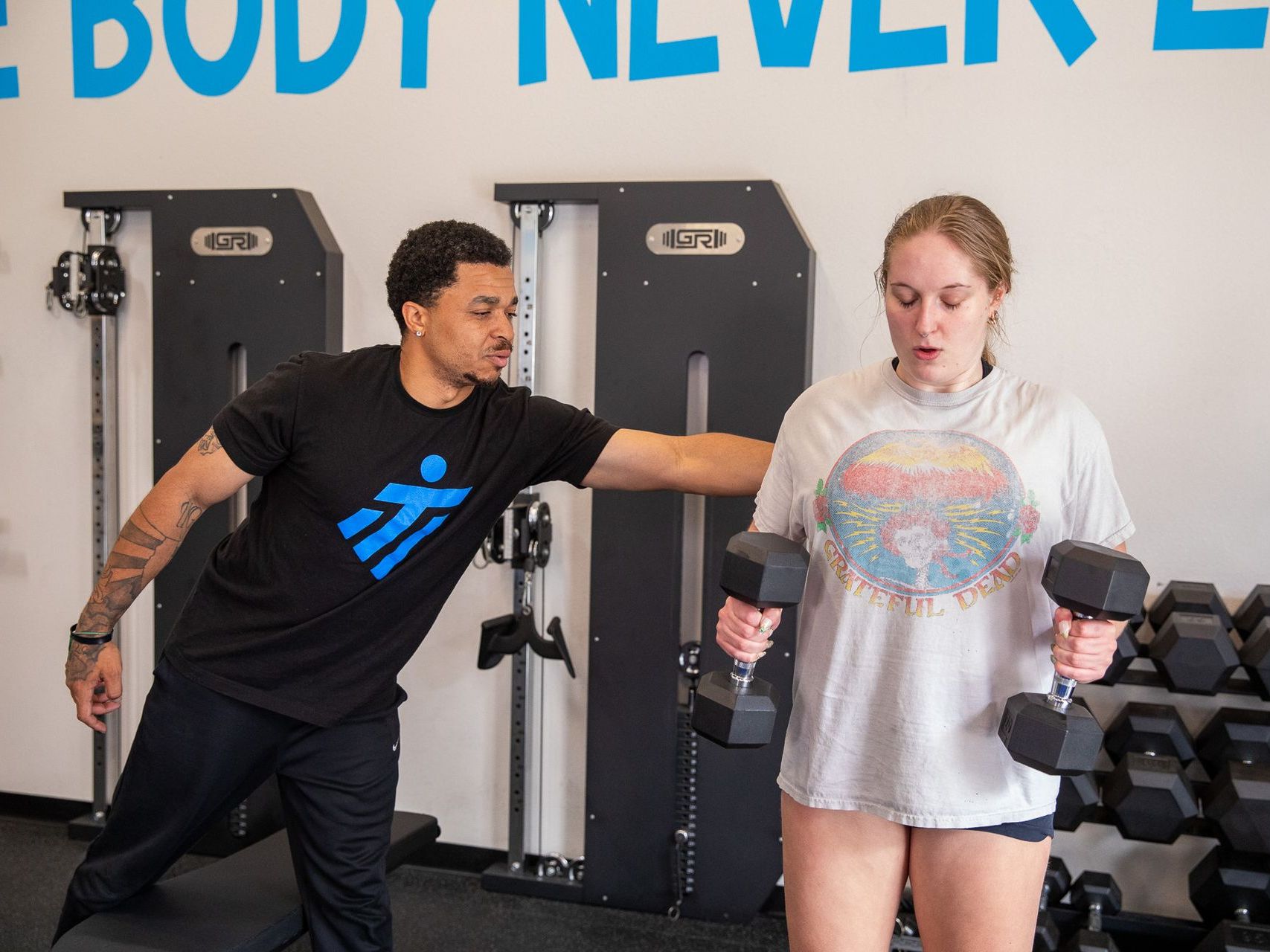
For many IMTI athletes and clients, 15–30 minute micro-sessions, two to three times per week, are enough to preserve your base.
Holiday MED ideas:
• Strength micro-doses:
2 sessions per week, 2–4 compound movements (squat, hinge, push, pull), 1–3 challenging sets of 8–12 reps
• Conditioning snacks:
0–15 minutes of intervals (bike, row, jump rope, shadow boxing) to keep the engine online
• Movement & mobility:
daily walks plus 5–10 minutes of joint mobility and soft tissue work
The IMTI Holiday Game Plan
The goal isn’t perfection, it’s preserving your base so you can accelerate quickly when schedules normalize.
Anchor each day with three simple commitments:
1. Fuel with protein and color at most meals
2. Move your body, even if only 15–20 minutes
3. Perform soft tissue work or mobility before bed
This keeps your nervous system engaged, your tissues prepared, and your nutrition aligned with performance, while still allowing flexibility, family time, and holiday meals.
When January arrives, you’re not starting over. You’re building from a
well-maintained foundation—the IMTI way.