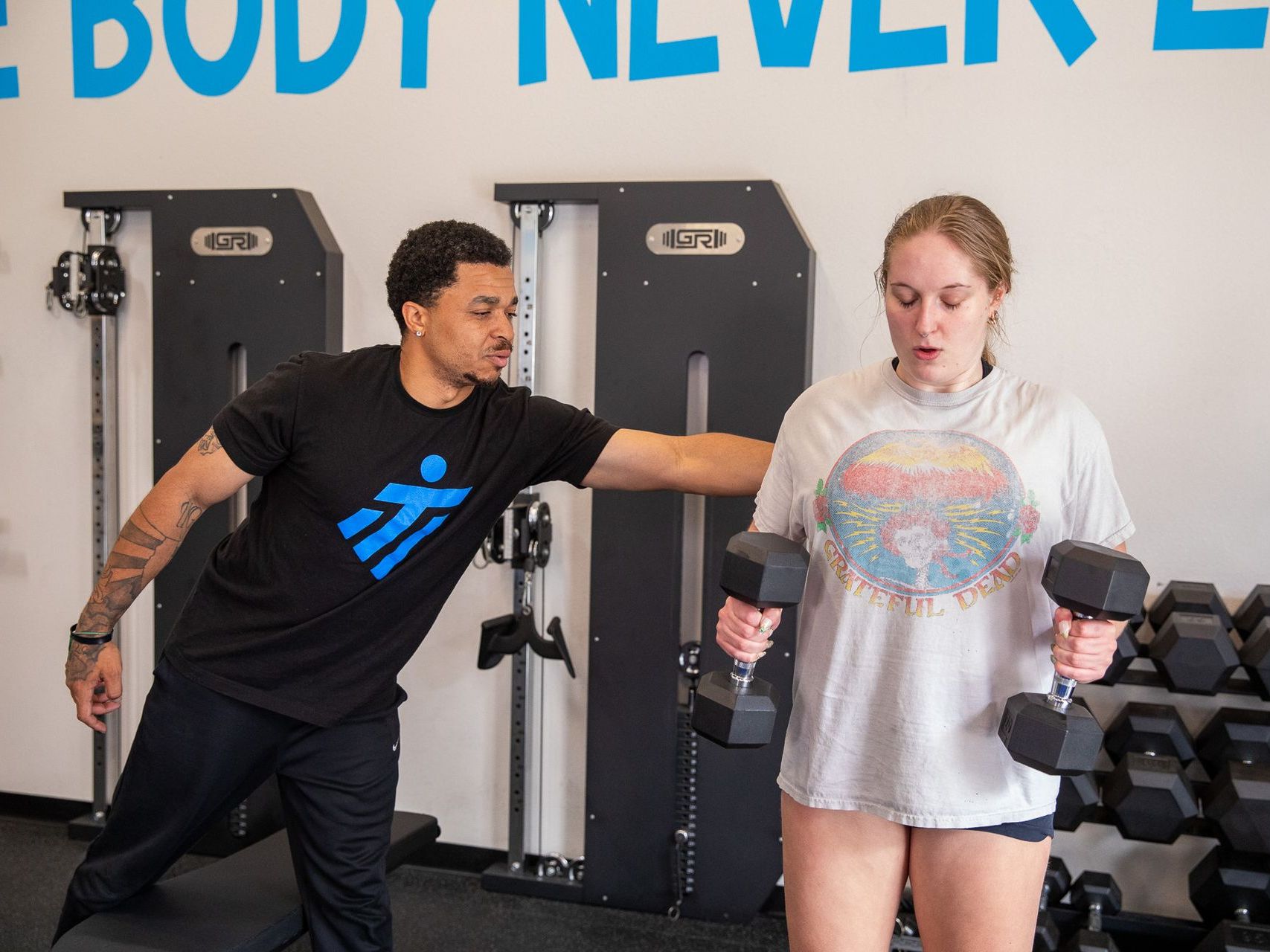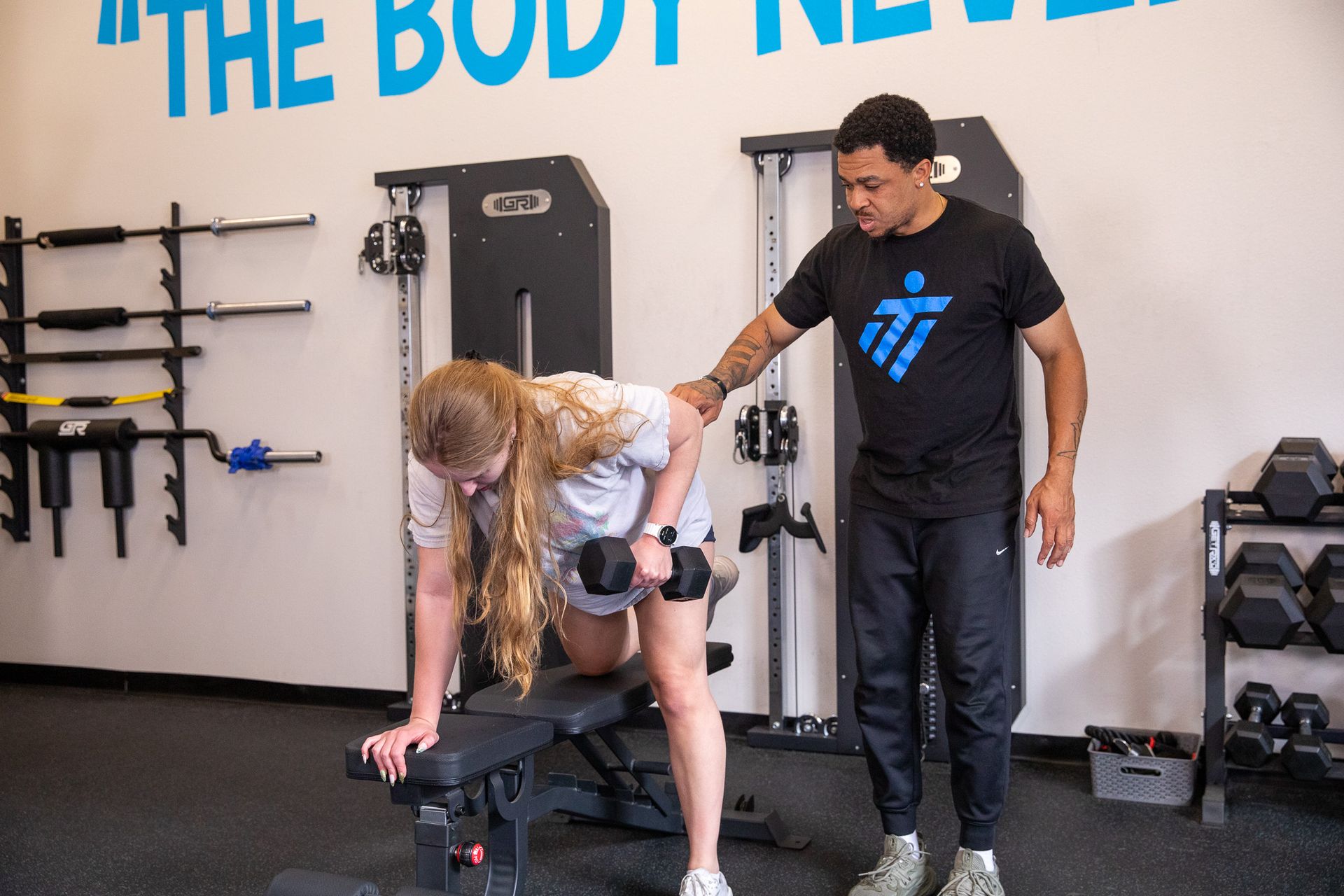
Youth sports are more competitive than ever—more teams, more travel, more showcases, more pressure to specialize early. But most “freak” injuries don’t come out of nowhere; they build slowly from ignored movement problems.
The Real Problem: Unseen Dysfunction
Serious youth injuries like ACL tears, UCL injuries, chronic low back pain, ankle sprains, and stress fractures are often blamed on bad luck or “just part of the game.” In reality, the body was sending warning signs: tight hips, limited ankle dorsiflexion, poor shoulder mechanics, asymmetrical force production, weak core control. Athletes can compensate for a long time—until they can’t.
The Pattern Behind Catastrophic Injuries
Big injuries are usually the end of a long pattern, not the beginning.
Examples:
• ACL tears often follow poor landing mechanics, weak hip control, knee valgus, and asymmetrical force.
• Throwing injuries often follow limited thoracic rotation, poor scapular sequencing, core instability, and unchecked overuse.
• Stress fractures often follow poor force absorption, compensations, mobility restrictions, and rapid load increases without baseline data.
By the time something tears or breaks, the dysfunction has often been there for months or years.
Why Most Systems Miss It
Youth sports are siloed:
• Therapists treat after injury.
• Strength coaches chase speed and strength.
• Coaches chase wins.
• Parents assume the system is comprehensive.
What’s missing is a proactive bridge that combines therapy, performance, movement science, and injury prevention. Most programs train hard and guess. Few measure first.
The IMTI Performance Lab Solution
IMTI’s Performance Lab flips the sequence from:
Train → Hope → Rehab
to:
Assess → Identify → Correct → Build → Monitor
We integrate:
• 3D motion capture
• Speed and sprint testing
• Jump and force metrics
• Balance and stability screening
• Mobility and movement pattern analysis
• Functional Movement Screening principles
• Sport-specific risk profiling
We don’t just measure how fast or strong an athlete is. We measure how they produce that performance.
Why It Matters for Youth Athletes
Young athletes are still developing neurologically, structurally, and hormonally. If they specialize early, train year-round, and load dysfunctional patterns while chasing velocity, vertical, and speed, they don’t just stall—they break down.
When we catch dysfunction early:
• Ankles strengthen before knees hurt.
• Hips open up before ACL stress spikes.
• Scapulae stabilize before elbows flare.
• Cores stabilize before backs ache.
The result: athletes stay healthier, progress more efficiently, avoid plateaus, and build durable, repeatable mechanics.
Our Philosophy: Long-Term Development
At IMTI, the order is simple:
1. Movement quality first
2. Strength second
3. Speed third
4. Sport specificity layered in
Performance built on dysfunction is borrowed time.
Smarter, Not Harder
The IMTI Performance Lab connects physical therapy, strength and conditioning, sports performance, and injury prevention. It gives:
• Families clarity
• Coaches objective data
• Athletes a clear plan
The goal isn’t just to win this season. It’s to build athletes who are still competing—and thriving—years from now. Movement screening before performance training isn’t optional anymore. It’s the new standard.